Recovery & Tissue-Repair Research Peptides
Research use only. These compounds are laboratory reference materials supplied to qualified researchers and institutional laboratories. They are not medicines, supplements or consumer products, are not for human consumption, and are not sold for personal weight-loss, fitness, recovery or anti-aging use.
Tissue-repair research spans fibroblast migration, collagen synthesis, angiogenesis and cytokine regulation, and each of those models is sensitive to the purity of the peptide used. This group collects the repair-pathway compounds most frequently cited in published in-vitro work, supplied as characterised reference standards.
Copper-binding tripeptides, gastric-derived repair peptides and their blends are all documented the same way: lot-specific purity, identity confirmation and a downloadable certificate of analysis.
Research focus areas
Fibroblast migration & collagen synthesis
Wound-model assays measuring fibroblast proliferation, migration and matrix deposition.
Angiogenic signaling
Endothelial tube-formation and VEGF-pathway studies using characterised standards.
Inflammatory cytokine regulation
NF-κB and cytokine-expression models in keratinocyte and macrophage cultures.
Copper-peptide biochemistry
GHK-cu and AHK-cu binding, redox behavior and comparative bioactivity assays.
6 documented reference standards

BPC-157
10mg
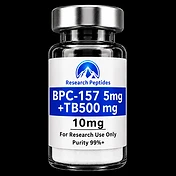
BPC-157 + TB-500
5mg + 5mg

GLOW
70mg

GHK-cu
100mg

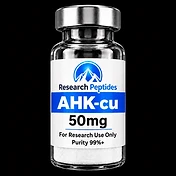
AHK-cu
50mg

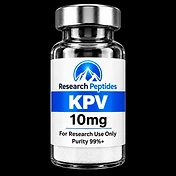
KPV
10mg
Recovery & Repair questions
Is this a treatment or healing product?
No. These compounds are research reagents for in-vitro and laboratory study. They are not drugs, wound-care products or topical treatments, and are not for human or veterinary use. Any clinical or personal application is outside their intended purpose and outside what we supply.
Which repair compounds do you stock?
The catalog covers BPC-157, TB-500, GHK-cu, AHK-cu and combination blends used as comparative standards in repair-pathway research. Exact presentations and lot availability are listed on each compound page and in the COA directory.
How should repair-pathway standards be stored?
Sealed lyophilized vials should be held at −20 °C and protected from light for long-term storage, and at 2–8 °C once reconstituted. Each certificate of analysis and product page states the handling requirement for that specific presentation.